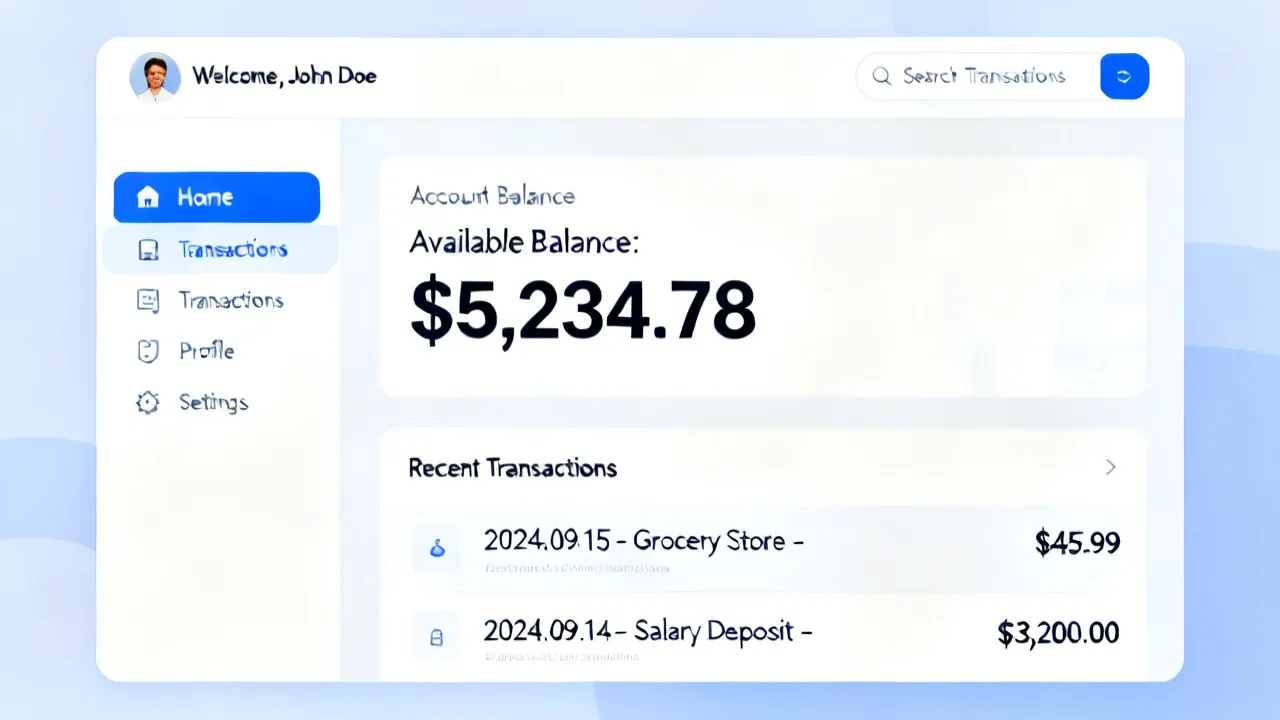
This guide delves into the essentials of AP (Accounts Payable) Bookkeeping, providing insights into efficient financial management for businesses. Accounts Payable bookkeeping involves recording and managing a company's outstanding debts to vendors. By understanding the processes and latest online banking incentives, businesses can optimize their financial strategies, ensuring seamless operations and growth.

AP (Accounts Payable) Bookkeeping is a crucial element of financial management for businesses of all sizes. It involves tracking outstanding debts owed to vendors or suppliers, ensuring timely payments, and maintaining proper records for audit purposes. Efficient AP management not only secures good vendor relationships but also enhances a company's creditworthiness and operational fluidity. With the right systems in place, businesses can prevent missed payments that could lead to financial penalties or severed supplier relationships.
Accounts Payable represents a company's short-term liabilities—payments that need to be made to avoid default and maintain a healthy credit profile. Proper AP Bookkeeping ensures that companies meet their obligations on time, reducing the risk of incurring late fees or interest charges. Furthermore, well-maintained AP records offer insights into cash flow management and help in financial forecasting, which is vital for strategic planning and operational efficiency. By staying on top of accounts payable, companies can prioritize spending based on cash availability and strategically manage the timing of cash outflows.
Additionally, an organized AP process reduces the time and resources spent on administrative tasks, allowing staff members to focus on more strategic initiatives that drive growth. This efficiency can enhance overall productivity within the finance department and contribute positively to the business's bottom line. Moreover, timely payments can also yield discounts from suppliers, further improving cost management and profitability.
With the advent of digital banking, many U.S. banks offer incentives for opening new accounts, which can be leveraged to optimize AP bookkeeping strategies. Here is a comparison of major banks offering significant rewards:
| Bank Name | Account Type & Bonuses | Requirements |
|---|---|---|
| Bank of America | Personal Checking Account ($200 bonus) | Deposit at least $2,000 in direct deposits within 90 days. |
| Chase Bank | Total Checking Account ($300 bonus) | Make at least one direct deposit of any amount within 90 days. |
| Citibank | Regular Checking Account ($450 bonus) | Complete two direct deposits totaling $6,000 or more within 90 days. |
| Wells Fargo | Everyday Checking Account ($300 bonus) | Deposit a total of $1,000 in direct deposits within 90 days. |
| SoFi Bank | Checking and Savings Account ($50-$300 bonus) | Deposit $1,000 for a $50 bonus or $5,000 for a $300 bonus in direct deposits. |
| Capital One Bank | 360 Checking Account ($250 bonus) | Use promo code REWARD250 and make two $500+ direct deposits within 75 days. |
By capitalizing on these banking bonuses, businesses can enhance their operational cash flow without needing to increase spending. This extra influx can be useful for covering other operating costs or reinvesting in business growth avenues, such as technology upgrades, marketing, or hiring additional staff.
Different business types may employ unique strategies in their AP bookkeeping processes. Here, we explore varied approaches across industries that may assist in optimizing your AP structure.
For small businesses, cash flow can be tight, necessitating careful planning of payables. Small businesses often benefit from establishing strong relationships with vendors to negotiate favorable payment terms, such as extended payment deadlines or discounts for early payment. Utilizing cloud-based accounting software can streamline the AP process and reduce manual errors, enabling business owners to focus on growth rather than paperwork.
Businesses in manufacturing and retail often have complex supply chains and may manage multiple vendors at once. Using technology to automate PO matching and manage inventory alongside AP can free up important resources while ensuring payments are timely and accurate. Adopting just-in-time inventory systems can improve cash flow, allowing these businesses to plan their AP similar to production cycles.
In service-based industries, the focus is generally on providing high-quality service to clients rather than physical inventory. As such, managing recurring expenses, such as subscriptions or contract labor, becomes essential. Implementing a system to track usage and allocate costs to the proper projects ensures accurate billing to clients while controlling overhead costs effectively.
For non-profits, managing grant and donation funds requires strict adherence to budgeting and spending policies, which becomes vital for sustaining confidence among donors and stakeholders. It is important for AP teams to match expenses against grant funding properly. Additionally, regularly communicating with accountants can maintain oversight of any restrictions tied to funds and ensure reporting compliance.
Global businesses face distinct challenges with AP, including currency fluctuations, different regulatory environments, and varied payment methods. Employing a robust global AP management software that consolidates multiple currencies and provides multi-language support can ease this complexity. Establishing relationships with local banks can also facilitate smoother transactions and provide more options to control currency risk.
As technology continues to evolve, the landscape of AP Bookkeeping has transformed significantly. Leveraging advanced tools can enhance efficiency, accuracy, and strategic decision-making. Businesses should consider the following technological advancements to optimize their AP processes:
Implementing automation solutions can drastically reduce manual tasks associated with AP. From invoice receipt through approval and payment execution, automation streamlines the entire process, reducing errors and enhancing speed. These workflows can minimize delays and allow companies to capitalize on vendor discounts.
AI can play a transformative role in AP bookkeeping. By employing machine learning algorithms, businesses can analyze payment data more accurately and predict cash flow trends. AI can also assist in detecting anomalies or potential fraud by flagging unusual transactions for further investigation.
Using cloud-based accounting solutions allows for greater accessibility and collaboration among team members. Remote teams can access necessary financial documents and accounts from anywhere, leading to better decision-making and quicker responses to changing conditions. Additionally, cloud solutions often integrate seamlessly with other business systems to ensure a cohesive financial management approach.
Integrating analytics tools within AP allows businesses to track performance metrics, quantify operational inefficiencies, and provide more robust reporting capabilities. By having actionable insights readily available, business leaders can make informed decisions regarding payment strategies, impacting cash flow and vendor relationships.
As businesses evolve, so do their bookkeeping needs. Here are some trends that are shaping the future of AP Bookkeeping:
The rise of digital transactions brings heightened risk associated with cyberattacks. Businesses are investing in security measures to safeguard sensitive financial data and prevent unauthorized access. Encryption, secure payment methods, and employee training around phishing attacks are becoming critical components of AP strategy.
As businesses recognize the connection between AP and other operational functions, integrating systems across departments ensures a holistic approach. This facilitates better risk management and enhances strategic initiatives, especially in supply chain and production processes. Coordination between procurement, finance, and operations creates synergies that contribute to overall business health.
As automation takes over transactional tasks, AP professionals can shift towards strategic financial planning and analysis. This shift enables businesses to leverage their AP data for decision support. Employees will require robust training not just in accounting but in analytical skills to support financial strategies that drive growth and efficiency.
AP Bookkeeping is not just a mandatory accounting practice but a strategic tool that can significantly influence a business's operational success. By integrating online banking incentives and ensuring stringent AP processes, businesses can manage their financial landscape more effectively, maximizing cash flow and enhancing financial planning strategies. Moreover, the adoption of modern technology in AP processes paves the way for continued improvement and adaptability in an ever-changing economic environment. Successful AP management ultimately leads to stronger vendor relationships, clearer insights into financial health, and improved strategic decision-making capabilities.
Disclaimer: The above information comes from online resources, and the data is as of October 2023. The above information may vary over time and by region. It is advisable to check the official websites of banks or contact customer service for the very up-to-date information before opening an account. Additionally, some rewards may only be available in specific regions or may have other restrictions. Always consult with relevant financial professionals for tailored advice that pertains to specific circumstance or business needs.