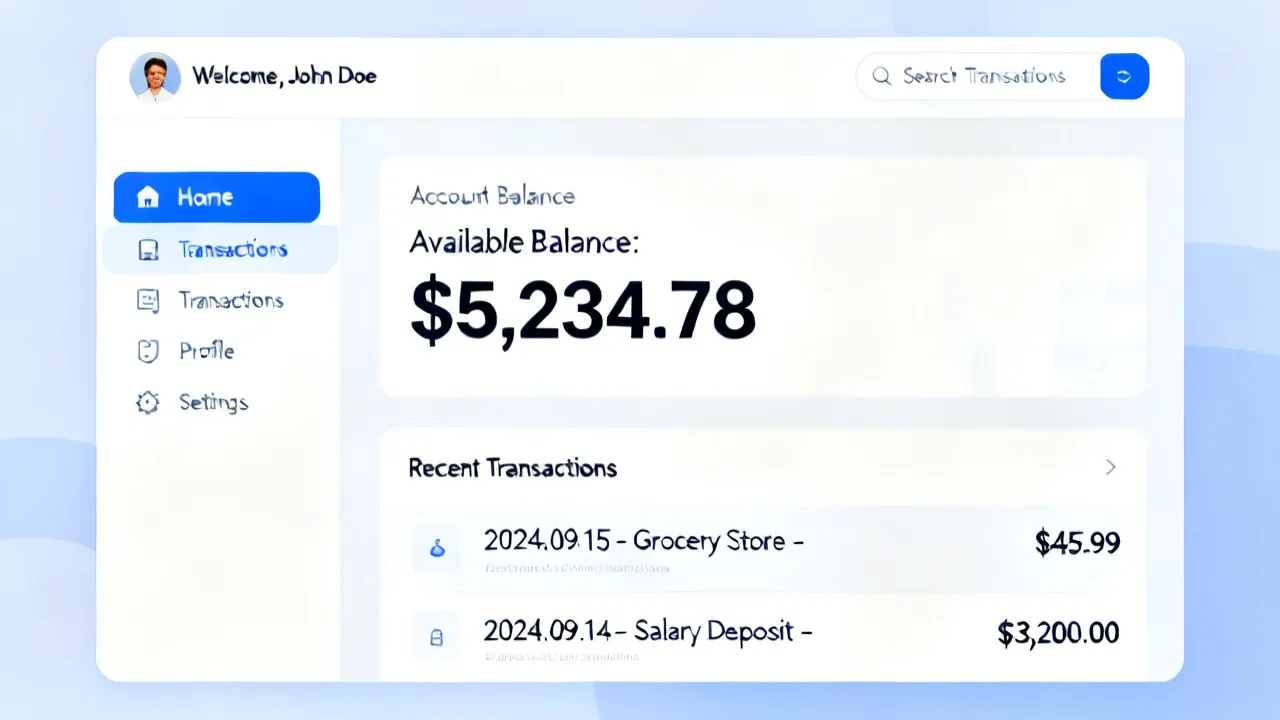
This guide explores the intersection of Ap Bookkeeping and optimizing banking bonuses, offering insights into effective financial management strategies. Ap Bookkeeping, short for accounts payable bookkeeping, involves managing and recording all the company's liabilities. It ensures accurate tracking of what is owed to suppliers and creditors. When combined with strategic banking decisions, such as opening new accounts with bonus incentives, businesses can optimize their financial operations and gain monetary benefits.
Ap Bookkeeping—shorthand for accounts payable bookkeeping—is an essential component of financial management, focusing on the timely and accurate recording of a company's monetary obligations. It involves tracking cash flow obligations owed to suppliers and creditors, ensuring the business maintains good credit and supplier relationships. A robust Ap Bookkeeping system allows companies to strategically manage their finances by prioritizing payments and leveraging outstanding credits. By maintaining detailed records, businesses can prevent late payment penalties, take advantage of early payment discounts, and ensure systematic payment schedules that enhance financial organization and planning.
The significance of Ap Bookkeeping extends beyond mere record-keeping. It integrates with a business's larger financial strategy, impacting cash flow management, budgeting, and even corporate negotiations. Effective Ap bookkeeping plays a critical role in assessing a company's liquidity and determining how much working capital is available for other operational needs. Additionally, it serves as a vital compliance mechanism, ensuring that businesses meet their legal obligations, such as tax payments and adhering to contractual payment terms with suppliers.
Accurate Ap Bookkeeping is vital for several reasons. Firstly, it ensures that businesses keep track of all invoices and outstanding payments, which is essential for maintaining solid relationships with suppliers. Paying on time can result in better credit terms, discounts on future purchases, and a stronger reputation in the marketplace. Secondly, detailed records help companies manage cash flow efficiently. By understanding when payments are due, a business can allocate funds appropriately, preventing cash shortfalls that could disrupt operations.
Moreover, Ap Bookkeeping allows businesses to identify patterns in their purchasing habits, which can lead to more informed budgeting and forecasting. Recognizing recurring expenses enables a company to predict its financial obligations more accurately and plan accordingly. This strategic foresight can significantly enhance a business’s ability to navigate economic fluctuations and operational challenges. Additionally, robust Ap management aids in minimizing fraud risks by implementing strong internal controls and facilitating regular audits of financial records.
Integrating Ap Bookkeeping with strategic banking decisions, like opening bank accounts with attractive bonus incentives, offers a dual benefit: efficient cash flow management and potential financial gains. Many banks in the US provide enticing bonuses to attract new customers, a strategy that can be cleverly leveraged by businesses seeking to maximize their financial benefits. By carefully choosing banking institutions that align with a company's operational needs, businesses can not only secure bonuses but can also enhance their cash management practices and streamline their financial operations.
Bank bonuses are often presented as cash rewards for opening accounts, reaching a minimum deposit requirement, or maintaining a certain balance for a specified period. These incentives can vary significantly from one institution to another, and understanding the terms and conditions associated with each offer is crucial for determining whether the bonus justifies the effort and potential risks. Moreover, some banks may offer tiered bonuses that increase with higher deposit amounts, which can be particularly advantageous for larger businesses capable of meeting such thresholds.
The interaction between banking bonuses and Ap Bookkeeping also emphasizes the importance of a timely and organized financial reporting system. Accurate bookkeeping will allow businesses to track their banking activities closely, ensuring they meet any necessary conditions for obtaining bank bonuses without jeopardizing their financial health. In addition, utilizing these bonuses effectively can enhance a company's investment strategies, leading to better returns on capital.
Understanding the various bonus offerings from banks is crucial. Below is a table that breaks down the account type, bonus conditions, and bonus amounts offered by leading US banks:
| Bank | Account Type | Bonus Amount | Bonus Conditions |
|---|---|---|---|
| Bank of America | Personal Checking | $200 | Deposit $2,000 in direct deposits within 90 days. |
| Chase Bank | Total Checking | $300 | At least one direct deposit of any amount within 90 days. |
| Citibank | Regular Checking | $450 | Two direct deposits totaling $6,000 or more within 90 days. |
| Wells Fargo | Everyday Checking | $300 | $1,000 in direct deposits within 90 days. |
| SoFi Bank | Checking and Savings | $50-$300 | Bonuses vary based on deposit amounts of $1,000 to $5,000 in direct deposits. |
| Capital One Bank | 360 Checking | $250 | Use promo code REWARD250; two $500+ direct deposits within 75 days. |
Source: Official websites of Bank of America, Chase Bank, Citibank, Wells Fargo, SoFi Bank, Capital One.
Securing a banking bonus is a strategic process that requires careful planning and execution. Here are steps businesses can take to maximize their chances of receiving these bonuses:
Ap Bookkeeping is the process of managing and recording all company liabilities, focusing on debts owed to suppliers and creditors.
Utilize Ap Bookkeeping to track and manage funds, aligning your cash flow management with bank bonuses for increased monetary benefits.
While many bonuses are widely available, some may have regional restrictions or additional terms. Always consult the bank's official website or customer support for confirmation.
Yes, banking bonuses can have a direct impact. They provide additional funds that can be used within your accounting system to improve cash flow management and operational budgeting.
Ap Bookkeeping helps manage various expenses, including supplier invoices, utility payments, lease agreements, and other operational costs. By having a systematic approach, businesses can identify areas for potential cost savings or discounts.
Regular reviews of Ap Bookkeeping records are essential—ideally on a monthly basis. They should be reconciled with bank statements and checked against supplier terms to identify discrepancies and ensure timely payments.
The strategic combination of Ap Bookkeeping and judicious bank account selections can notably enhance a business's financial health. By capitalizing on bank bonuses, companies can add direct financial benefits to their operational efficiency. Furthermore, a well-structured Ap bookkeeping system can enable businesses to track their eligibility for such bonuses while simultaneously promoting sound financial practices. In today’s competitive economic environment, the integration of these two financial management strategies not only leads to improved cash flow but also encourages sustainable growth and facilitates better supplier relationships.
Ultimately, businesses that diligently track their accounts payable while making informed banking decisions set themselves up for success. By continuously refining these processes, organizations strengthen their financial foundation and prepare for future challenges ahead.
The information in this article is sourced from online resources as of October 2023. These details may change with time and vary by location. It's advised to verify with official bank websites or customer service for the latest terms before opening an account. Certain bonuses might be region-specific or subject to other restrictions. Furthermore, while leveraging bank bonuses can augment financial reserves, companies must exercise diligence to ensure that their financial practices remain sustainable and compliant with all relevant financial regulations.
For detailed reference links, visit: Bank of America, Chase Bank, Citibank, Wells Fargo, SoFi Bank, Capital One.