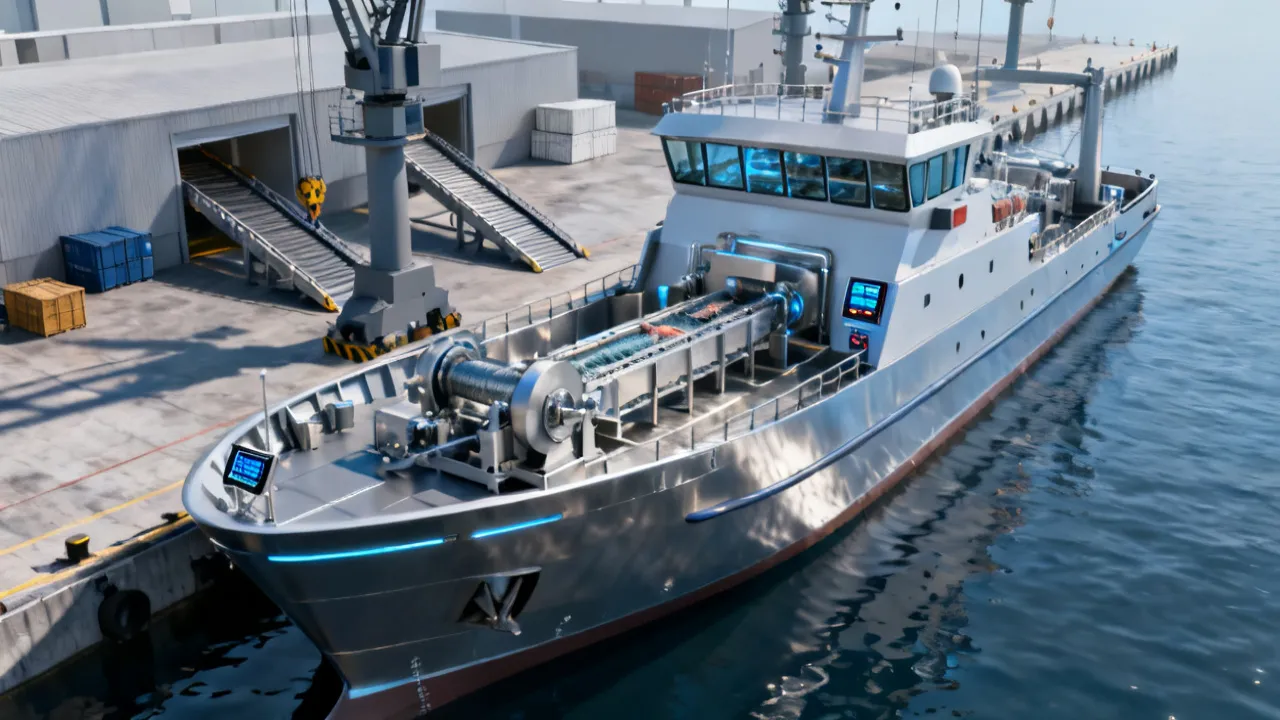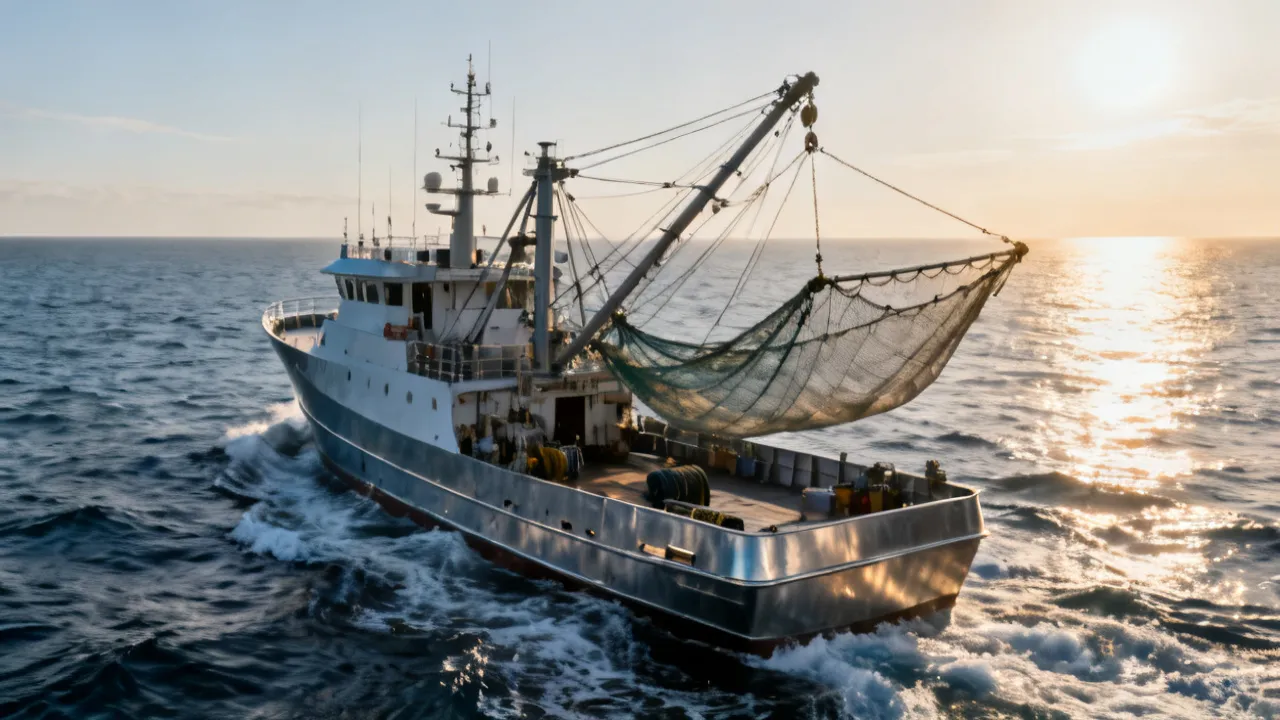
Optimar Rae represents significant advancements in fishing vessel technology, enhancing efficiency and sustainability within the fishing industry. Designed to optimize operations, these vessels are equipped with innovative features that address the evolving challenges of the marine environment. This article delves into the critical aspects of Optimar Rae and evaluates its influence on modern fisheries.
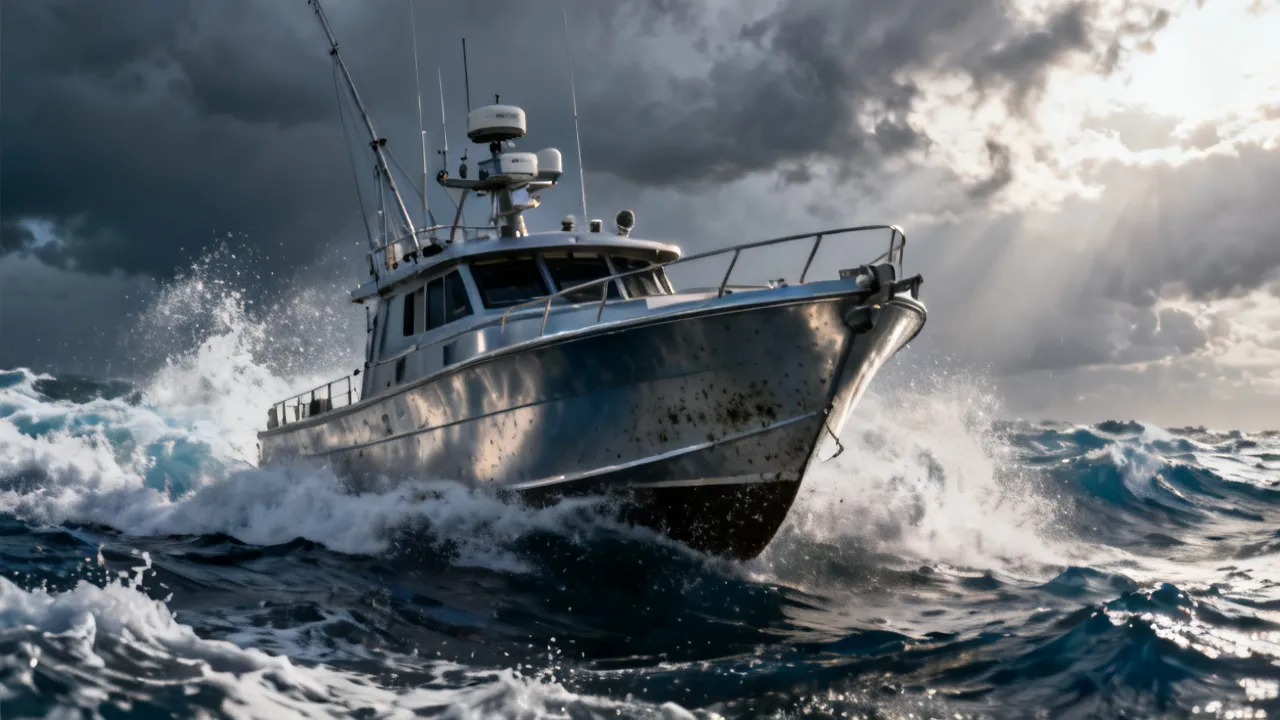
In the ever-evolving landscape of the fishing industry, the introduction of vessels like the Optimar Rae marks a significant leap forward in maritime technology. The Optimar Rae is a key player designed for efficiency and sustainability, addressing the demands of modern fishing operations. This article explores the vessel's features, its impact on the fishing industry, and its role in promoting environmental stewardship, as well as the technological advancements and social implications tied to its adoption.
Optimar Rae stands out due to its state-of-the-art engineering and design. The vessel is equipped with advanced technologies to streamline fishing operations, reduce bycatch, and minimize environmental impacts. Key features include:
The introduction of Optimar Rae has been transformative, offering several benefits to the fishing industry. It not only boosts operational efficiency but also promotes sustainable practices. As global fish stocks face pressure, such innovations are critical for ensuring good viability. The vessel's capabilities allow for targeted fishing methods that significantly reduce unintended catch and habitat disruption. Moreover, the Optimar Rae represents a shift in industry standards, encouraging competitors to adopt similar technology to remain viable in an increasingly environmentally conscious market.
The adoption of the Optimar Rae has also had notable social implications within fishing communities. Sustainable practices not only benefit fish populations but also support the livelihoods of fishermen reliant on these stocks. With a more stable fish population, the overall health of marine ecosystems improves, ensuring that future generations can continue to rely on fishing as a source of income and sustenance. Using a vessel like the Optimar Rae can therefore rejuvenate local economies by fostering sustainable fisheries.
| Aspect | Traditional Vessels | Optimar Rae |
|---|---|---|
| Energy Efficiency | Higher fuel consumption, less eco-friendly | Designed for low fuel usage, uses eco-friendly technologies |
| Catch Quality | Standard practices, limited preservation | Advanced handling and preservation methods |
| Automation | Minimal; labor-intensive | High; incorporates modern automated systems |
| Sustainability | Less focus on sustainability | Environmentally conscious design and practices |
| Compliance and Reporting | Manual tracking and reporting, prone to errors | Integrated digital solutions for accurate tracking and reporting |
| Impact on Marine Life | Higher risk of bycatch and habitat destruction | Minimized bycatch and reduced environmental disruption |
With increasing emphasis on sustainable fishing, the global adoption of vessels like the Optimar Rae can have far-reaching effects. Maintaining fish stocks and minimizing environmental damage are priorities that this ship addresses directly. Many regions are beginning to encourage policy initiatives that favor advanced vessel technology to uphold marine biodiversity. For instance, countries facing stringent regulations on overfishing may find the adoption of such vessels essential to comply with international standards. The Optimar Rae can enhance the economic viability of fisheries by providing an avenue for compliance that leads to certification for sustainable seafood, which is increasingly demanded in global markets.
Moreover, the vessel's role extends beyond mere compliance; it represents an opportunity for stakeholder engagement. Fishermen, marine biologists, and policymakers can utilize the data generated by the Optimar Rae to collaboratively develop strategies for conservation and resource management. This stakeholder engagement is crucial in various fisheries, including those where overfishing has historically been an issue. By adopting cutting-edge technology, fishers can now access valuable insights into fish populations and habitat health, fostering a balance between industry growth and ecological preservation.
Despite its many advantages, the transition to using such advanced vessels comes with challenges. High initial capital investment and the need for specialized training are hurdles that the industry faces. The cost of acquiring a vessel like the Optimar Rae may deter smaller fishing operations from making the switch. Additionally, the need for ongoing maintenance and updates to the vessel's technology can also lend to hesitancy. However, as awareness of sustainability grows and low-interest financing options become more prevalent, the barriers to entry may begin to lower. Programs and grants aimed at modernizing fleets in line with sustainable practices have begun to emerge, further incentivizing the shift.
Training for crew members is an additional challenge. The advanced systems incorporated into the Optimar Rae require a workforce skilled in navigating new technologies. Fishing companies must invest time and resources in ensuring that their crew members are adequately trained to operate the automation systems, understand the fishery management software, and handle the novel catch preservation methods efficiently. As with any technological advancement, developing an adept workforce can present a daunting task, requiring a commitment to ongoing education and training programs.
The Optimar Rae stands as a beacon of innovation within the maritime industry. Its seamless integration of technology and sustainable practices provides a blueprint for future vessels in the global fishing fleet. The adaptability of the design and the technology onboard signifies a transformative step for the fishing industry. As the industry faces mounting environmental challenges, vessels like the Optimar Rae are not just an advancement; they are a necessity for sustainable marine exploitation.
In conclusion, a future where sustainable practices dominate the fishing industry seems promising with advancements like the Optimar Rae leading the charge. A concerted effort towards embracing such technologies can herald a new era—one where fish stocks are not only preserved but thrive, and fishing communities flourish without compromising the integrity of the marine ecosystem. By investing in modernization and supporting sustainability, the fishing industry can navigate the complexities of both profitability and responsibility, ensuring the health of our oceans for generations to come.