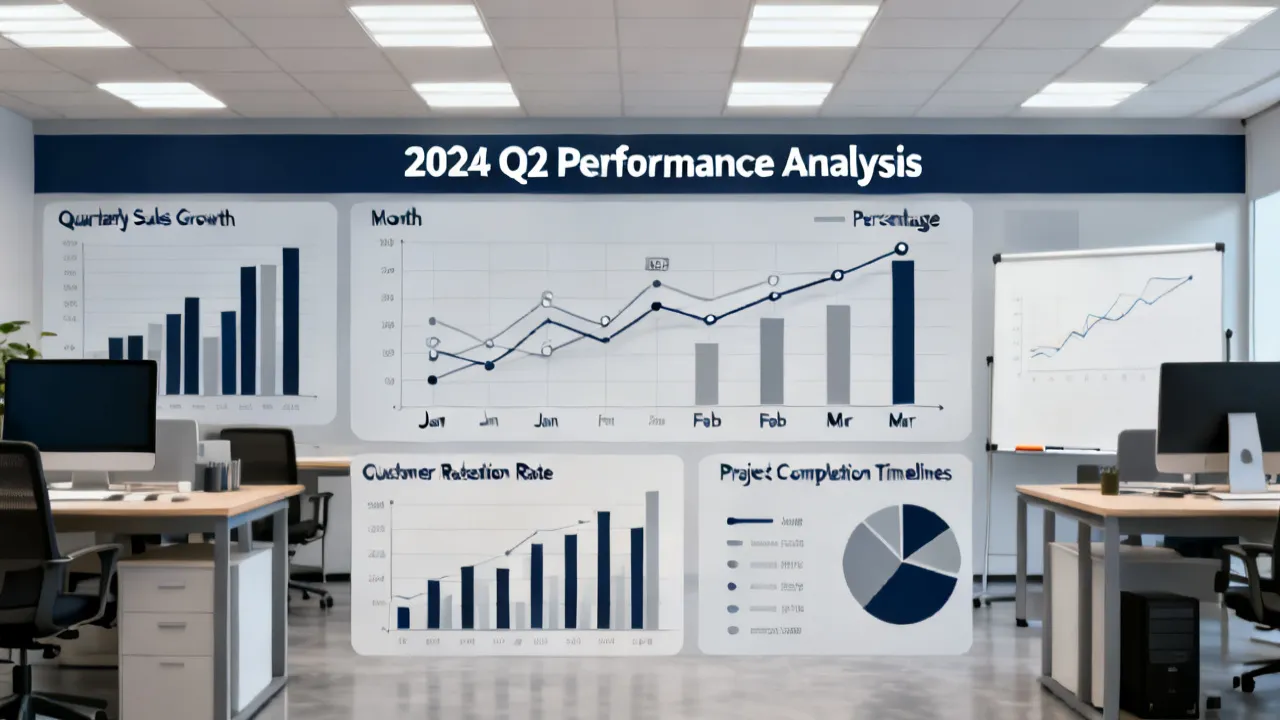
Uda underperformance refers to the observed decline in efficiency or effectiveness within specific frameworks or systems, which can impact outputs and results negatively. This phenomenon has garnered attention due to its significant implications for productivity, necessitating a deep dive into underlying causes and potential solutions. Experts stress the importance of analyzing contextual dynamics to address this issue.
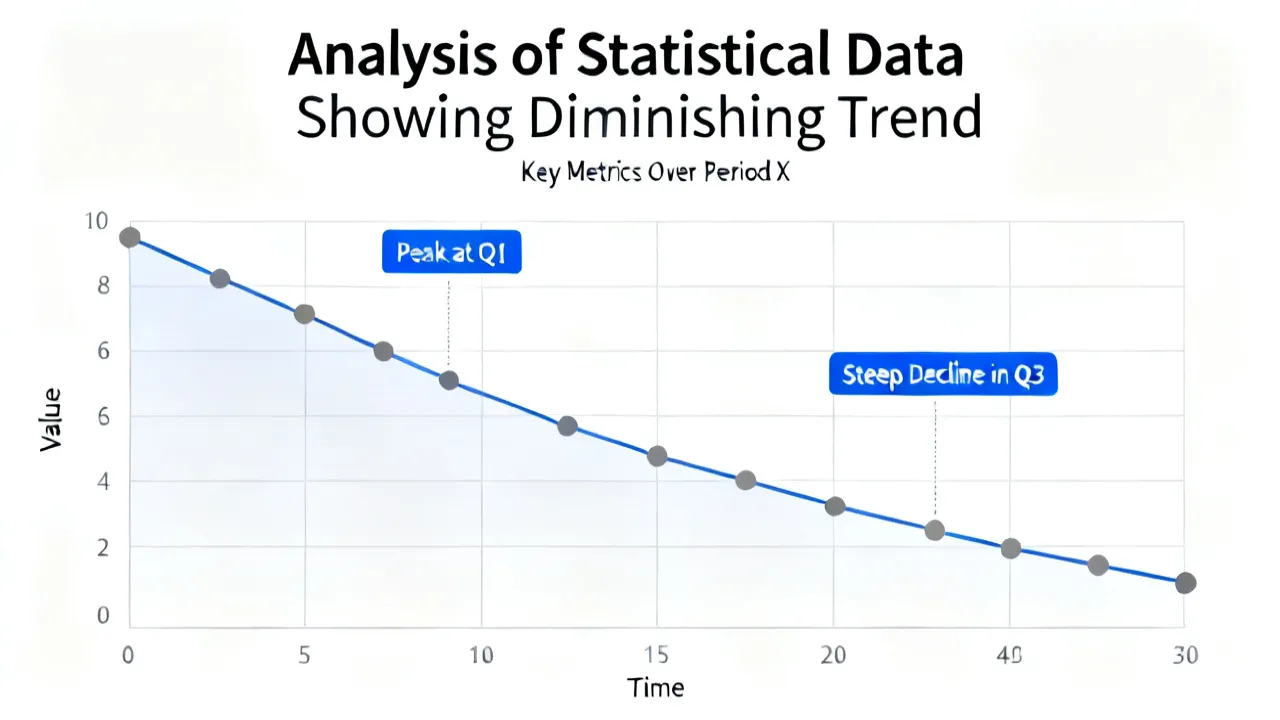
Uda underperformance represents a critical issue in many modern enterprise environments, characterized by diminished input-output efficiency within certain operational frameworks. This detrimental phenomenon affects various sectors, leading to a broader impact on productivity and competitiveness. As businesses and organizations aim for optimal performance, addressing Uda underperformance becomes essential.
Historically, Uda underperformance has been associated with a variety of causes, ranging from managerial inefficiencies to technological bottlenecks. These performance deficits have significant repercussions, such as reduced output, increased operational costs, and loss of competitive edge. The ramifications are seen across industries, emphasizing an urgent need for strategic interventions. For instance, the retail sector has been particularly affected by Uda underperformance, where inefficiencies in supply chain management have resulted in inventory issues, ultimately leading to lost sales and dissatisfied customers.
Several core factors contribute to Uda underperformance, including:
Addressing Uda underperformance requires a comprehensive, multi-pronged approach. Here are some initiatives organizations can adopt:
In studying Uda underperformance, it is critical to draw comparisons with industry averages to understand contextual disparities. Below is a table illustrating the difference in performance metrics between Uda and industry standards:
| Metric | Uda Performance | Industry Average |
|---|---|---|
| Operational Efficiency | 72% | 85% |
| Cost-Efficiency | 65% | 80% |
| Customer Satisfaction | 70% | 82% |
| Employee Engagement | 62% | 78% |
| Supply Chain Responsiveness | 64% | 79% |
To understand Uda underperformance better, examining specific case studies can provide profound insights into its causes and effects:
A prominent retailer faced considerable Uda underperformance stemming from outdated logistics and supply chain processes. With an inventory management system that was not integrated with sales data, the company struggled to respond quickly to market changes, leading to stock-outs of popular items and overstocking of less popular products. By investing in a modern ERP system that synchronized inventory levels with real-time sales data, the retail giant improved their operational efficiency by 15% within a year, ultimately enhancing customer satisfaction levels.
In a manufacturing firm, managerial practices led to low employee morale and high turnover rates, showcasing clear signs of Uda underperformance. Employees felt undervalued and overworked without recognition for their contributions. To remedy this, the management implemented a structured employee engagement program, which included feedback loops and recognition initiatives. Within six months, employee engagement metrics increased by 25%, significantly boosting productivity and decreasing turnover costs, resulting in overall performance improvement.
Common causes include outdated technology, ineffective management, a lack of skills, and challenging market conditions. Each of these elements can create a compounded effect that exacerbates performance issues and hinders growth for organizations.
Organizations can implement comprehensive performance metrics and regular audits to identify areas of underperformance. Key performance indicators (KPIs) should be aligned with the overall strategic goals of the organization to ensure they provide actionable insights.
Industries heavily reliant on technology and efficient process management, such as manufacturing, retail, and financial services, often experience the greatest impact. These sectors must continuously adapt their strategies to stay relevant and competitive in a fast-paced landscape.
Leadership is pivotal, as strategic decisions and fostering a positive culture are crucial in overcoming performance challenges. Effective leaders should not only inspire their teams but also facilitate a culture where feedback is welcomed and action is taken to explore new ideas.
As organizations look toward the future, several trends are emerging that could significantly impact their ability to combat Uda underperformance:
The adoption of agile methodologies is becoming increasingly prevalent across various sectors. By fostering flexibility and rapid iteration in processes, companies can respond more swiftly to market demands, minimize waste, and enhance overall performance.
Utilizing data analytics has become essential for organizations striving to improve performance. Advanced analytics provide insights that help businesses make informed decisions by understanding customer behavior, operational bottlenecks, and market trends. Organizations that leverage data effectively can see significant improvements in their performance metrics.
The rise of remote work presents both challenges and opportunities in addressing Uda underperformance. While it can lead to increased flexibility and potentially higher productivity, it also necessitates new management practices and performance measurement techniques to ensure that employees remain engaged and motivated.
The need for continuous learning and skill enhancement is becoming more critical as industries evolve with technological advancements. Organizations that promote a culture of continuous learning are better positioned to combat Uda underperformance by equipping their workforce with the necessary skills and knowledge.
For organizations looking to dive deeper into strategies for addressing Uda underperformance, several resources can be invaluable:
In conclusion, Uda underperformance is a multifaceted issue requiring targeted strategies and genuine organizational commitment to transform potential obstacles into opportunities for growth. By understanding its causes, implementing effective strategies, and fostering a culture of continuous improvement, organizations can enhance their performance and emerge as leaders in their respective industries.