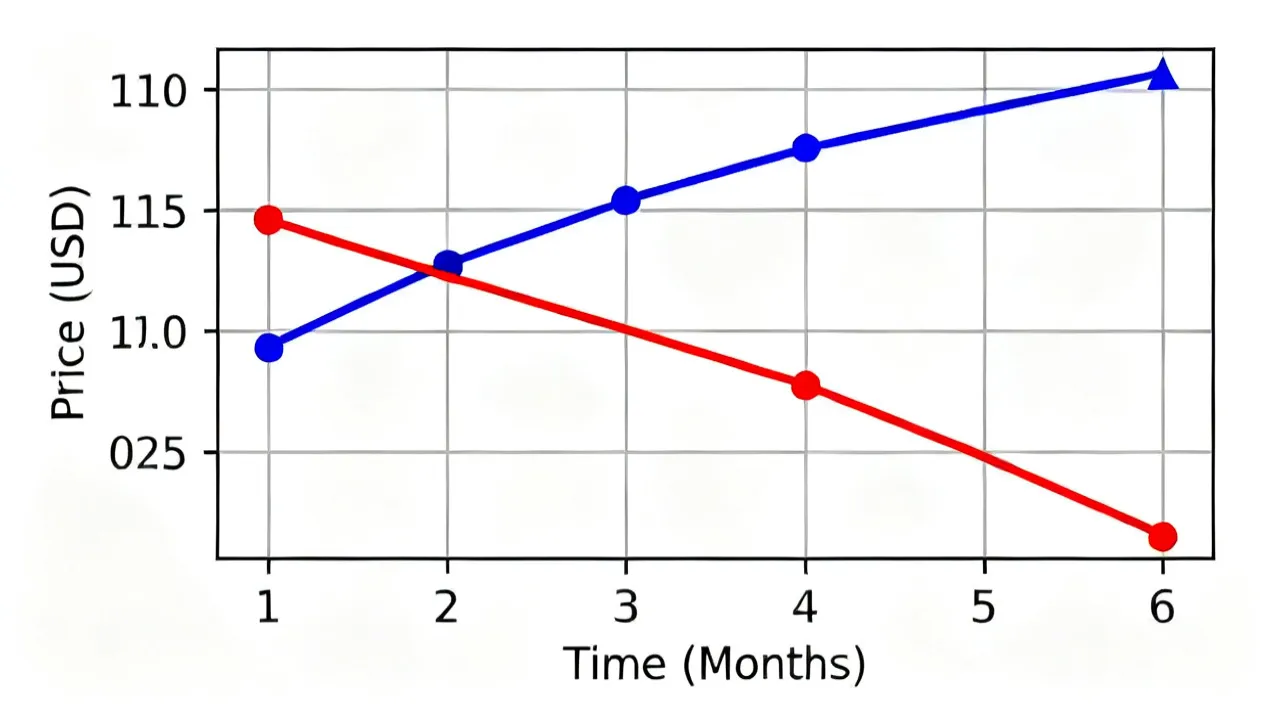
Uda Underperformance refers to instances where specific sectors or companies, often within distinct industries, fail to meet expected benchmarks. Originating from financial analysis, this term highlights discrepancies between anticipated and actual performance metrics. Exploring Uda Underperformance unravels complexities in market dynamics, helping investors and analysts identify potential pitfalls and opportunities for adjustment.
In financial markets and corporate settings, various performance metrics serve as crucial indicators of success. One such concept gaining attention is Uda Underperformance, a term that describes situations where certain sectors or organizations fail to achieve expected benchmarks. Although the origin of this term is specific to financial analysis, it has gained broader significance in understanding market dynamics and strategic planning. This phenomenon invites profound scrutiny, as it reflects not only on the entities involved but also on the health and direction of entire industries and sometimes, economies.
The growing relevance of Uda Underperformance emphasizes the importance of timely and precise data evaluation. Stakeholders must consider analytical frameworks that not only capture current performance data but also predict future outcomes. The essence of effective business strategy lies in preemptively recognizing patterns of underperformance and responding accordingly. Thus, it becomes essential to delve deep into Uda Underperformance as it relates to a company’s overall strategy, operational execution, and market presence.
To dissect Uda Underperformance, it's essential to first understand the parameters that define performance benchmarks. In corporate landscapes, these benchmarks could be revenue, profit margins, or market share. When an entity falls short of these metrics, it triggers deeper analysis. Various factors contribute to underperformance, including market volatility, poor strategic decisions, and competitive pressures. Understanding these elements is crucial for any stakeholder aiming to mitigate risks or optimize strategies for better outcomes. Additionally, a nuanced understanding of market conditions and their impact on performance can lead to more informed decision-making.
The root causes of Uda Underperformance can often be traced back to several intertwined factors. For instance, coordination between various organizational units can significantly influence performance outcomes. When product development teams do not align with marketing strategies, the end result can be a poorly received product, which ultimately affects sales. This lack of coherence across departments can create a significant underperformance scenario. Corporate culture also plays a remarkable role. A culture that does not value innovation or responsiveness to change can create stagnant practices that hinder performance, thus highlighting the relational dynamics within the organization itself.
The first step in addressing Uda Underperformance is a comprehensive performance review, assessing internal and external factors affecting current results. A strategic alignment with market needs and demands is essential. Redirecting resources to more profitable ventures, enhancing operational efficiencies, and innovating marketing strategies constitute critical measures for overcoming underperformance. It is important to establish a feedback loop that consistently revisits performance metrics and benchmarks, allowing for agile adaptations in strategy as required.
Addressing Uda Underperformance also involves fostering a culture of accountability and continuous improvement. Organizations must empower employees to take ownership of their roles, ensuring that they understand how their contributions affect the larger business objectives. This empowerment can lead to increased motivation and better performance aligned with organizational goals. Clarity in communication regarding expectations and performance metrics is essential to create an environment where everyone is aligned towards common objectives.
To illustrate Uda Underperformance, we can look at various real-world examples across different sectors. Understanding specific industry challenges along with strategic countermeasures offers valuable lessons for a wider audience. These case studies reveal foundational insights into how organizations have responded to underperformance and adapted their strategies accordingly:
| Industry | Challenges | Strategies for Improvement |
|---|---|---|
| Retail | Shift towards e-commerce impacting traditional stores, leading to significant sales declines. | Enhancing online platforms and optimizing supply chains, embracing omnichannel strategies to capture a wider customer base. |
| Automotive | Competitors' technological advancements leading to market share loss, with consumer preference shifting towards electric and hybrid vehicles. | Investing in EV technology and sustainable innovations, restructuring product lines to focus on greener technologies, and improving R&D capabilities. |
| Technology | Rapid obsolescence of tech products due to fast-paced innovations, leading to diminished brand loyalty. | Fostering a culture of continuous innovation and agile development, allowing for quicker adaptation to market trends and consumer demand. |
| Healthcare | Increased regulatory scrutiny and changing healthcare policies affecting service delivery and profitability. | Implementing robust compliance frameworks, investing in digital health technologies, and focusing on patient-centered care models to improve services. |
| Hospitality | Economic volatility affecting travel patterns and consumer spending on leisure services. | Diversifying offerings, enhancing digital marketing efforts, and improving customer engagements through personalized services and loyalty programs. |
Uda Underperformance presents a crucial area of focus for businesses and investors alike. By understanding the multifaceted causes leading to underperformance and implementing strategic countermeasures, organizations can navigate through challenging market conditions more effectively. The continuous evaluation of performance indicators, coupled with a commitment to operational excellence and innovation, is essential to foster resilience in an ever-evolving business landscape. Whether in retail, technology, healthcare, or any other field, recognizing the patterns of underperformance and addressing them with actionable strategies can create pathways to growth, sustainability, and success. As businesses strive to align with market demands and consumer preferences, the insights gleaned from analyzing Uda Underperformance can ultimately translate into competitive advantages that redefine their trajectory in the marketplace.