Optimar Rae stands at the forefront of seafood processing, merging innovative technology with efficiency to transform the industry. As a leader within its sector, Optimar Rae focuses on delivering top-of-the-line processing solutions that cater to the global demand for sustainable and quality seafood. This article delves into their operational strategies, technological advancements, and the broader impact on the seafood supply chain.
In the ever-evolving world of seafood processing, Optimar Rae has emerged as a key player. Their commitment to integrating advanced technology with sustainable practices sets a new benchmark for industry standards. This article explores the various facets of Optimar Rae's groundbreaking approach, offering insights from industry experts on their influence and future potential. The seafood industry has long faced challenges ranging from overfishing to environmental degradation, making it crucial for companies like Optimar Rae to innovate continuously. As the world becomes more environmentally conscious, the strategies and practices adopted by leaders in the field will significantly impact how seafood is processed and consumed around the globe.
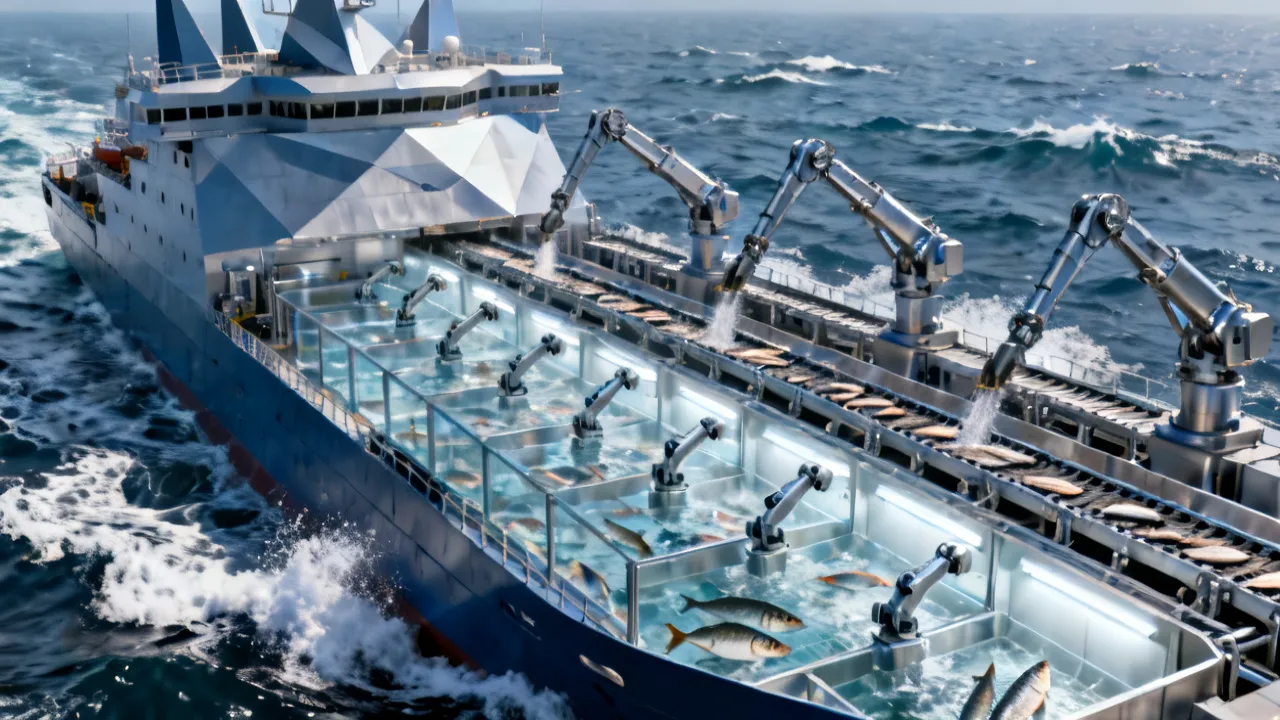
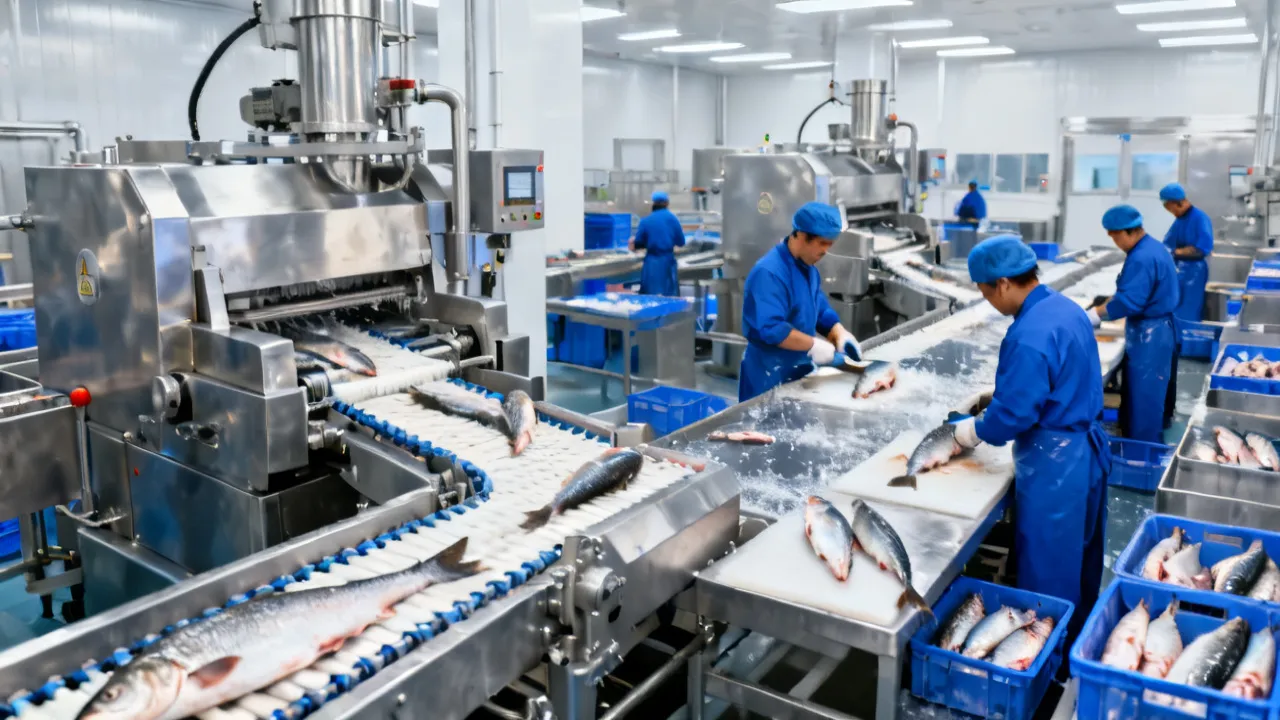
Optimar Rae's success is largely attributed to its innovative use of technology. By incorporating cutting-edge machinery and automation systems, the company enhances the efficiency and precision of seafood processing. These technologies enable faster throughput while maintaining the quality and integrity of the seafood, ensuring that products meet consumer expectations and regulatory standards. Through automation, processes such as sorting, filleting, and packaging become not only more efficient but are also executed with higher accuracy than ever before. For instance, the implementation of robotic arms allows for consistent and rapid processing, reducing labor costs and minimizing human error.
Moreover, their advancements in real-time data analytics facilitate better decision-making in processing plants, optimizing resource use and minimizing waste. This data-driven approach enables operators to monitor production processes closely, allowing for immediate adjustments when necessary. Innovative machine learning algorithms can predict equipment failures before they occur, drastically reducing downtime and maintenance costs. This proactive maintenance strategy enhances productivity and prolongs the lifespan of processing equipment. Furthermore, by utilizing technology such as IoT sensors, Optimar Rae tracks environmental factors affecting processing outcomes, ensuring optimal conditions for seafood handling.
One of the standout innovations by Optimar Rae is their state-of-the-art temperature control systems, which preserve the freshness of seafood throughout the processing stages. These systems not only improve quality but also extend the shelf life of products, thus meeting market demand effectively. The integration of cloud computing further enables remote monitoring of processes, giving managers insights and control over operations regardless of their physical location. This level of connectivity in the production process marks a significant advancement in supply chain management and offers an overall more agile response to market fluctuations.
A core pillar of Optimar Rae's operations is sustainability. Recognizing the environmental impacts associated with the seafood industry, the company has taken proactive steps to minimize its ecological footprint. This includes implementing energy-efficient practices, reducing water usage, and promoting waste reduction through recycling and resource recovery techniques. For example, the company's commitment to using sustainable energy sources, such as solar and wind power, drastically decreases reliance on fossil fuels, further contributing to their sustainability goals.
In addition, Optimar Rae has developed a closed-loop water system, significantly cutting down on water waste. This system allows water used during processing to be purified and reused, demonstrating a commitment to resource conservation. Comprehensive training programs for employees on sustainable practices ensure that everyone within the company’s ecosystem understands their role in minimizing environmental impacts. This focused education fosters a culture of sustainability, empowering every team member to contribute innovative ideas and practices geared toward reducing the company’s carbon footprint.
Collaboration with conservation organizations further underscores their commitment to preserving marine ecosystems and ensuring the good viability of the seafood supply chain. These partnerships often result in significant advancements in eco-labeling practices, making it easier for consumers to choose sustainable seafood options. Additionally, they engage in projects aimed at restoring habitats affected by overfishing and pollution, demonstrating a comprehensive approach to sustainability that goes beyond mere compliance with regulations.
Optimar Rae’s innovative solutions directly influence the global seafood market by enhancing production capabilities. Their systems allow seafood suppliers to scale operations efficiently, meeting the rising global demand for high-quality seafood products. This scaling capability affords a competitive edge to suppliers who utilize Optimar Rae's technology. As public interest in seafood continues to rise, driven by health trends and culinary exploration, the demand for quality processing systems increases significantly.
The economic impact of Optimar Rae’s practices can also be seen in the potential for increased exports. By ensuring their products meet the highest food safety standards and quality benchmarks, they enable their clients to access broader international markets. Additionally, the investment in modern equipment can lead to economic benefits, creating opportunities for job creation and skill development in the seafood processing industry. Notably, these investments not only enhance local employment opportunities but also stimulate regional economies by strengthening the seafood supply chain.
Furthermore, the company’s technological solutions help reduce production costs, which can be passed on to consumers in the form of competitive pricing. This dual benefit of maintaining quality while managing costs positions Optimar Rae as a leader in the seafood industry. Moreover, as sustainability becomes a focal point for consumers, companies utilizing Optimar Rae’s technologies are at a distinct advantage in appealing to an eco-conscious market segment, effectively driving consumer loyalty and increasing market share.
Even with its advancements, Optimar Rae is not without challenges. The rapid pace of technological change requires continuous investment in research and development to maintain a competitive edge. The fish processing landscape is constantly evolving with new methods and technologies emerging, and failure to innovate could lead to obsolescence. As competitors also invest in new technologies, it becomes a race for not only market share but also for attracting the highest level of talent in engineering and operational excellence within the sector.
Additionally, global environmental policies necessitate ongoing adaptation to ensure compliance and sustainability. As regulations shift towards harsher standards for emissions and waste management, Optimar Rae must remain agile and proactive in upgrading its practices. This involves staying informed on legislative changes and participating in industry initiatives aimed at establishing best practices. Building strong relationships with regulatory bodies can also facilitate smoother transitions during policy shifts.
Looking forward, Optimar Rae aims to expand its influence through strategic partnerships and innovations that streamline the supply chain and enhance product traceability, offering transparency from sea to table. Investing in blockchain technology for traceability is one such initiative that could revolutionize how consumers perceive and trust seafood products. By allowing consumers to trace the origins of their seafood, Optimar Rae not only fosters transparency but also builds brand trust and consumer confidence.
Moreover, the future landscape of seafood consumption is likely to be shaped by the increasing incorporation of artificial intelligence and machine learning into processing systems. Optimar Rae’s strategic plans include leveraging these technologies to further refine operations, personalize consumer experiences, and address unique market demands efficiently. The anticipated implementation of predictive analytics will assist in aligning production schedules closely with market trends, thus minimizing waste and maximizing profitability. As consumer preferences shift towards ethically sourced and environmentally sustainable products, Optimar Rae is positioned to lead this transformation within the industry, adopting forward-thinking strategies that reflect the changing landscape of seafood consumption.
| Attribute | Optimar Rae | Competitor A |
|---|---|---|
| Technology Integration | High-tech automation and analytics | Basic mechanization |
| Sustainability Practices | Advanced energy-efficient systems | Minimal initiatives |
| Market Reach | Global presence with diversified solutions | Regional focus with limited offerings |
| Research and Development | Robust R&D investing in innovation | Limited R&D budget |
| Customer Engagement | Strong feedback loops and adaptation | Basic customer service |
| Skill Development Programs | Comprehensive employee training | Infrequent training efforts |
In closing, Optimar Rae's dedication to innovation and sustainability continues to set high standards in the seafood processing industry, promising a more efficient and environmentally conscious future for global fisheries. By actively pushing the envelope in technology and sustainable practices, Optimar Rae not only addresses current challenges but also anticipates the needs of tomorrow's seafood consumers. It is this blend of vision, technology, and a commitment to excellence that keeps Optimar Rae at the forefront of a rapidly evolving industry, ensuring that they not only meet but exceed the expectations of their stakeholders and the global market.