The Optimar Rae represents cutting-edge advancements in the fishing industry, integrating modern technology to enhance efficiency and sustainability at sea. This article delves into the intricacies of the Optimar Rae, exploring its implications for sustainable fishing practices and economic benefits to local fishing communities. The analysis outlines the relevance of this innovation to the current global push for responsible resource management.
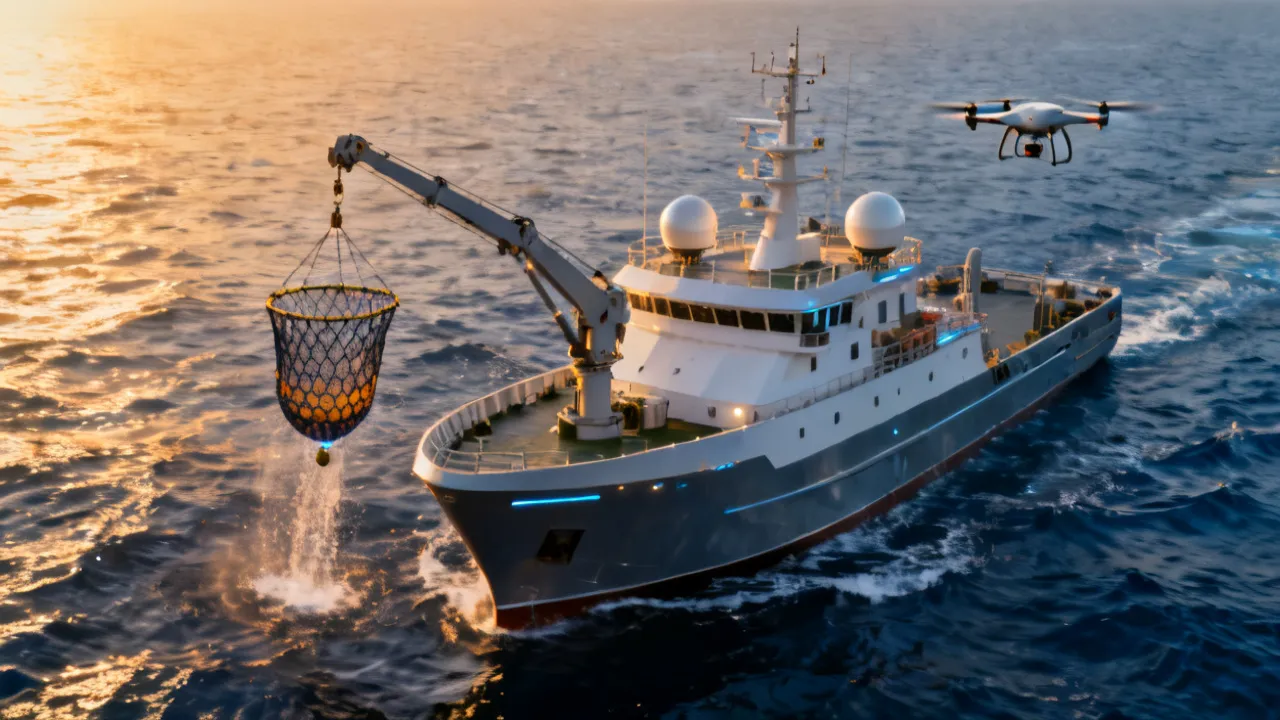
The Optimar Rae symbolizes a significant leap in maritime technology, revolutionizing how the fishing industry operates. It integrates state-of-the-art systems designed to enhance both efficiency and sustainability, crucial elements for today's eco-conscious market. This marine innovation not only optimizes catches but also addresses environmental concerns that have long plagued the industry. With its advanced design and technological features, the Optimar Rae has set a new standard for fishing vessels, making it integral to discussions about modern fisheries management.
The Optimar Rae is equipped with sophisticated sonar and navigation systems that ensure precision in locating fish schools, thereby reducing bycatch and preserving marine biodiversity. Its advanced processing capabilities allow for the immediate sorting and preservation of the catch, maintaining quality from sea to sale. The onboard systems also facilitate real-time data collection, which can prove invaluable for both operational and research purposes. These systems are designed to communicate with satellite networks, allowing vessels to access up-to-date information about fish migrations, weather conditions, and even marine traffic, further enhancing operational efficiency.
The core of the Optimar Rae’s technological advancement lies in its modular design, allowing for easy upgrades and maintenance, ensuring that it remains at the cutting edge of fishing technology. This flexibility not only extends the vessel's operational lifespan but also makes it more adaptable to changing regulations and environmental standards. Moreover, the integration of automation in onboard operations reduces the need for a large crew, streamlining costs and improving safety on the high seas.
Communities centered around fishing have witnessed substantial economic boosts thanks to the Optimar Rae. By increasing catch efficiency while minimizing waste, it ensures higher revenue generation for fishermen, ultimately fortifying local economies. This dynamic shift aligns well with global trends aiming for sustainable economic development within coastal regions. The presence of advanced vessels like the Optimar Rae has been associated with the creation of new jobs not only in fishing but also in ancillary sectors such as vessel maintenance, seafood processing, and distribution.
Moreover, with the increased efficiency brought about by the Optimar Rae, local fish market dynamics have improved, allowing smaller fishermen to compete with larger industrial operations. This democratization of fishing has empowered local communities, enabling them to sustain their livelihoods, reinvest in their businesses, and engage in practices that respect local customs and traditions. Additionally, the heightened profitability resulting from optimized operations promotes the reinvestment of profits back into the community, fostering further economic development.
At the heart of the Optimar Rae's design is a commitment to sustainability. By incorporating technologies that reduce fuel consumption and enhance selective fishing, it meets stringent environmental standards and promotes responsible resource management. This commitment is pivotal as the world confronts the challenges of climate change and dwindling marine resources. The vessel's ability to operate with significantly lower greenhouse gas emissions marks a substantial improvement over traditional fishing methods, a factor that is becoming increasingly crucial as global attention shifts towards mitigating climate change impacts.
Furthermore, the Optimar Rae employs eco-friendly materials in its construction and operation. By adhering to best practices in sustainable shipbuilding, such as using recycled materials and innovative designs that minimize ecological footprints, this vessel represents a progressive approach to marine engineering. The emphasis on sustainability extends beyond the vessel itself; it has spurred a broader movement within the fishing industry toward adopting sustainable practices, influencing regulatory frameworks and fishing policies at regional and international levels.
The design of the Optimar Rae is a significant aspect of its success, incorporating innovative features that enhance its performance while remaining environmentally friendly. For instance, the hull design has been optimized for energy efficiency, reducing drag and enabling the vessel to traverse greater distances with lower fuel expense. Coupled with this hull design, the vessel is fitted with hybrid engine technology, which operates on both traditional fuel and alternative energy sources, such as biofuels or even wind and solar energy, depending on availability and feasibility.
Additionally, the interior layout of the Optimar Rae has been thoughtfully designed for functionality and comfort. crew quarters are equipped with ergonomic accommodations, promoting well-being during long journeys at sea. Spaces for processing the catch are strategically arranged to streamline workflow and maintain high hygiene standards, which is critical in preserving the quality of seafood products. The vessel is also equipped with advanced communication systems, allowing the crew to remain in contact with fishing authorities and emergency services, thereby enhancing safety at sea.
| Feature | Traditional Vessels | Optimar Rae |
|---|---|---|
| Efficiency | Moderate | High with precision technology |
| Sustainability | Variable | High due to reduced bycatch |
| Economic Impact | Stable | Enhanced with technology integration |
| Technological Integration | Minimal | Extensive with state-of-the-art systems |
| Environmental Compliance | Often lacking | Meets and exceeds current standards |
| Adaptability to Regulations | Low | High with modular components |
As the fishing industry evolves, the Optimar Rae stands out as a leading force in technological and environmental advancements. Its potential to transform marine resource management is immense, offering a beacon of hope for sustainable fishing practices worldwide. Stakeholders in the maritime industry would do well to consider the implementation of such technology as a step towards a more sustainable and economically viable future. Furthermore, with the encouragement of policymakers and industry leaders to actively promote sustainable fishing practices, the Optimar Rae could inspire a new generation of vessels designed with ecological considerations at their core, opening new avenues for innovation.
Looking ahead, the fishing industry must contend with numerous challenges, including climate change, overfishing, and regulatory pressures to maintain health in marine ecosystems. The Optimar Rae not only addresses these challenges but also sets a precedent for the future of maritime technology. As ecosystems shift and adapt to changing conditions, fishing practices must evolve in tandem. The Optimar Rae exemplifies that evolution, harnessing technology to ensure that fishing continues as a viable economic activity while preserving the vital resources our oceans provide.
The implications of the Optimar Rae stretch beyond immediate fishing practices and community economics. As a part of the broader discourse on climate action and marine conservation, the introduction of such technology fosters a shift in how societies view their relationship with the ocean. By prioritizing sustainability, the Optimar Rae encourages not only the fishing industry but also associated sectors—such as tourism, marine research, and conservation efforts—to adopt more sustainable practices.
In addition, the advancements represented by the Optimar Rae can serve as a model for other industries facing similar issues of sustainability and ethical practices. Industries reliant on natural resources must seek innovative solutions to balance profitability with stewardship of the environment. By examining the strategies and systems utilized in the Optimar Rae, stakeholders in various fields can find inspiration to navigate their sustainability challenges, ultimately leading to a more harmonious coexistence with the natural world.
Integral to the success of innovations like the Optimar Rae is education and community engagement. Fishermen and local communities must be equipped with the knowledge and skills to utilize the advanced technologies effectively. This education involves training programs that teach not only how to operate the systems onboard but also the principles underlying sustainable practices—empowering communities to make informed decisions about their fishing activities.
Furthermore, community engagement initiatives can cultivate a sense of ownership and responsibility towards marine resources. Programs that facilitate collaboration between fishermen, scientists, and environmentalists can help bridge knowledge gaps and foster a collective approach to marine conservation. Such partnerships can lead to better fishery management strategies, informed by both traditional knowledge and modern science, ensuring that communities are active participants in the stewardship of their marine environments.
The realm of fishing technology is dynamic and ever-evolving, with a wealth of potential research directions stemming from innovations like the Optimar Rae. Future advancements could include the exploration of artificial intelligence and machine learning to further enhance predictive modeling of fish populations and optimize catch strategies. Additionally, research into more sustainable materials for vessel construction could minimize the industry’s carbon footprint even further.
Moreover, the potential to integrate renewable energy technologies—such as wind turbine systems or solar panels—on vessels could significantly reduce dependency on fossil fuels. Investigating the possibilities of multi-purpose vessels that are able to assist in both fishing and research missions would allow for a more comprehensive utilization of resources, aligning with the goals of sustainable ocean management. Ultimately, ongoing research in these areas promises to continuously reshape the fishing industry, making it more adaptive and resilient against global challenges.
In conclusion, the Optimar Rae stands as a testament to the power of technology and innovation in transforming the fishing industry towards sustainability. As we continue to face pressing ecological challenges, the adoption of advanced vessels, such as the Optimar Rae, represents a crucial step in fostering an environment where fishing can thrive alongside conservation efforts. To ensure that the future of fishing is both economically viable and environmentally sustainable, it is paramount that industry stakeholders, policymakers, and local communities work collaboratively, leveraging advancements in technology while remaining anchored in responsible practices. The journey towards sustainable fishing is undoubtedly complex, but with the Optimar Rae leading the way, it offers hope for a reconciled relationship between humanity and the oceans we depend on.