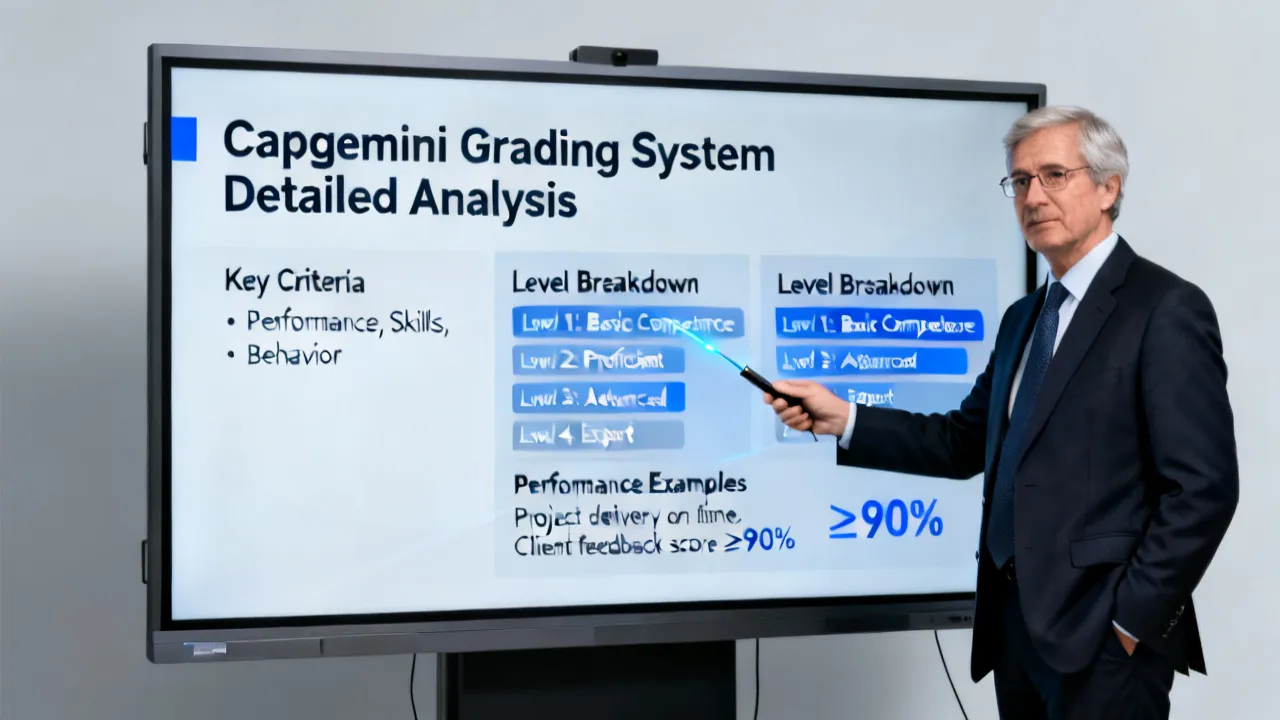
Grade Capgemini is a multifaceted evaluation and categorization process within global consultancy firm Capgemini, which is renowned for its expertise in digital transformation. This comprehensive guide explores what Grade Capgemini entails, its significance in employee progression, and how it shapes the company's strategic vision, focusing on elements like performance metrics, career advancement, and industry benchmarks.

In the dynamic world of IT services and consulting, Capgemini stands out for its robust framework for employee evaluation and advancement known as 'Grade Capgemini.' This system is pivotal in structuring job roles and offers a clear trajectory for career progression. Understanding this grading system is crucial for anyone working within or aspiring to join the ranks of this global powerhouse. Capgemini has positioned itself as a leader in digital transformation, and its grading system reflects the company’s commitment to recognizing and rewarding talent effectively.
Grades at Capgemini are not merely titles; they are a reflection of an individual's role, responsibility level, and contribution to the company's overarching goals. This grading system aligns with Capgemini’s vision of driving digital transformation and business success through well-defined human capital management. By assigning grades that correspond with specific competencies and achievements, Capgemini ensures that employees understand their value within the organization while also instilling a sense of accountability and motivation to strive for higher achievements.
Furthermore, the significance of grades extends to ensuring that employees are aware of the expectations tied to their positions. Employees are encouraged to pursue continuous learning and development, matching their skills with the demands of their graded roles. This synergy between individual aspirations and corporate goals fosters a culture of high performance, innovation, and collaboration. Understanding the grading system serves as an essential guide for both existing employees and new entrants looking to carve a successful career path within Capgemini.
Capgemini’s grading structure is meticulously crafted to define various levels of responsibilities and expertise needed across different job roles. Employees are categorized into grades according to their skills, experience, and role-specific performance. Each grade carries specific expectations and growth opportunities, thereby motivating employees to enhance their skills and ascend the corporate ladder. The structure typically ranges from junior positions to senior management roles, allowing for a comprehensive evaluation at each level.
This graded system incorporates several key components to ensure its effectiveness:
Employee growth within Capgemini is systematically tracked through periodic evaluations aligned with industry benchmarks. These assessments are designed to identify strengths, areas for improvement, and the overall impact an employee has within their team and the broader organizational environment. Such a methodical approach not only aids in building a skilled workforce but also ensures that employees have a clear understanding of the skills and experience required to progress in their careers.
Moreover, Capgemini employs a holistic career advancement strategy that includes:
The grading system ensures transparency in promotions and salary adjustments, offers a structured career path, and frequently provides employees with tailored development programs. Upon achieving specific milestones, employees can expect not only roles with more responsibilities but also financial incentives, including bonuses and salary increments that reflect their new contributions.
Opportunities for cross-functional roles and global assignments further enrich the professional experience at Capgemini. For instance:
To better understand how Capgemini's grading structure stacks up against the competition, a comparative analysis can be conducted. This provides insights not just into Capgemini but also into how industry standards are evolving. Understanding these differences can help potential employees make informed decisions about where to build their careers.
| Aspect | Grade Capgemini | Competitor's Approach |
|---|---|---|
| Transparency | High level, with clear criteria and expectations, allowing employees to understand their position | Varies, often feedback-dependent, which can lead to ambiguity and confusion |
| Career Advancement | Structured path with clear progression that emphasizes skill development | Flexible, can be less structured, often reliant on personal initiative and networking |
| Global Opportunities | Frequent assignments available across the globe, offering diverse experiences | Occasional, often limited to specific areas or regions, which may limit employee exposure |
| Performance Evaluation | Regular, scheduled assessments provide consistent feedback on employee performance | Inconsistent evaluations that can lead to misaligned expectations and growth |
| Employee Development Programs | Robust support with tailored development plans for each grade | Limited resources, often relying on self-led initiatives |
In the evolving landscape of technology and consulting, Capgemini’s grading system serves as a fundamental pillar for employee growth and organizational development. It sets a standard for transparency and career progression, which many other companies might aim to emulate. Understanding how Grade Capgemini operates not only helps employees navigate their careers but also enhances the overall efficiency and innovation of the organization. As industries continue to adapt through digital transformation, the emphasis on clear grading and evaluation systems will likely bolster their importance, making frameworks like Grade Capgemini essential for both employee satisfaction and business success.
As organizations worldwide increasingly recognize the value of structured grading systems, it is essential to explore potential future trends in grading methodologies. Capgemini's Grade system is already a robust framework, but continuous improvement is necessary to meet the demands of a rapidly changing workforce and technological landscape.
1. Incorporation of AI and Data Analytics: The use of artificial intelligence and data analytics in employee evaluations is gaining traction. Organizations like Capgemini may begin to leverage AI tools to analyze performance metrics on a large scale, providing deeper insights into employee behaviors and outcomes. This approach could refine evaluation processes and tailor employee development more accurately to individual needs.
2. Focus on Soft Skills: As businesses prioritize collaboration and emotional intelligence, grading systems will likely evolve to incorporate soft skills into evaluations. Companies may start assessing teamwork, communication, and adaptability as integral components of an employee's overall performance and potential for advancement.
3. Dynamic Grading Systems: The concept of a more fluid grading system could emerge, where employees are no longer confined to a rigid structure but can move across grades more freely based on project assignments, skills acquired, and peer endorsements. This concept promotes continuous learning and agile career paths that adapt to the fast-paced nature of the IT industry.
4. Employee Feedback Loops: Future grading systems will place a stronger emphasis on continuous feedback rather than annual reviews. By encouraging ongoing dialogue about performance and career aspirations, organizations can help employees feel more engaged and aligned with company objectives.
5. Corporate Social Responsibility (CSR) Metrics: Organizations might include community and corporate service contributions in grading assessments. Employees who participate in CSR initiatives or demonstrate a commitment to sustainability may be recognized within the grading system, thereby aligning personal values with corporate mission.
Capgemini’s grading system is not just a tool for employee assessment; it is a strategic element that supports overall organizational performance and culture. By fostering a transparent, structured environment for career development, the company positions itself to attract and retain top talent in a competitive market. As organizations across various industries continue to refine their grading systems, the lessons learned from Capgemini's approach will serve as a valuable guide for establishing effective frameworks that drive employee engagement, productivity, and satisfaction.